Lifting & Leveling
Understand the differences between leveling kits, body lifts, suspension lifts, and air ride height adjustments before modifying your truck.
View Installation GuidesLearn to Lift Your Ride
Truck lift and leveling upgrades can improve stance, tire clearance, and off-road capability. Choosing the right setup depends on how the truck is used, what tire size is desired, and whether the priority is appearance, towing, clearance, or suspension travel.
Before choosing parts, it is important to understand how each type of lift works, what supporting components may be required, and how the changes can affect alignment, ride quality, handling, and towing.
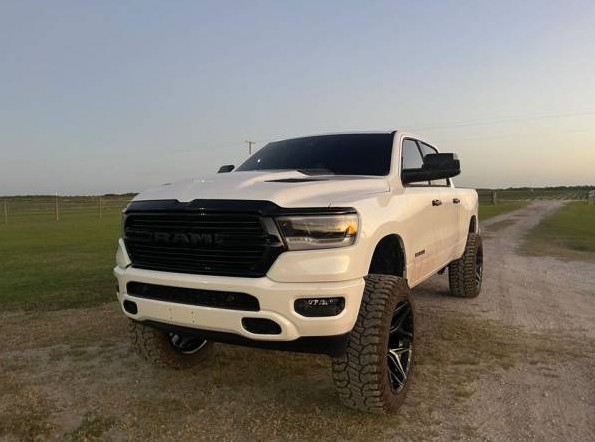
Leveling Kits
Leveling kits are commonly used to raise the front of the truck and reduce factory rake. They are popular when the goal is a cleaner stance or slightly larger tire fitment.
- Usually modest lift height
- Often focused on front-end stance
- May require alignment after installation
- Upper control arms may be recommended depending on height
Body Lift Kits
A body lift uses spacers to raise the truck body from the frame. This can create additional tire clearance without significantly changing suspension geometry.
- Generally lower cost than suspension lifts
- Helps create room for larger tires
- Does not increase axle or differential ground clearance
- May require bumper or ground strap brackets
Suspension Lift Kits
Suspension lifts raise the truck by changing suspension components. They are more involved than body lifts but can provide more clearance and capability.
- Improves tire clearance and overall stance
- Can increase ground clearance depending on design
- More complex installation
- May include strut spacers, knuckles, brackets, links, or control arms
Air Ride Suspension
Factory air ride systems use height sensors and air springs to control vehicle ride height. Replacing fixed sensor links with adjustable links can change the truck's normal ride height.
- Useful for leveling, lifting, lowering, or correcting lean
- Each corner is controlled by sensor feedback
- Proper measurement is important
- Changes should be made carefully and evenly
Select the Look

2" Lift / Level
A practical setup for improving stance while keeping the truck close to factory behavior.
4" Lift
A more noticeable change that allows larger tires and a more aggressive appearance.
6" Lift and Up
For a major stance change, larger wheel and tire packages, and a more custom build.
Planning a Suspension Upgrade?
Review the guides and troubleshooting checklist before installation so you know what to expect.
Read Guides Troubleshooting Shop Revel Performance